
When most people think about selling a home, they imagine listing it on the MLS, hosting open houses, and choosing from multiple offers. But what happens when a property simply can't be sold that way? Sometimes a cash-only sale isn't just the best option — it's the only option.
When a Traditional Listed Sale Isn't Possible
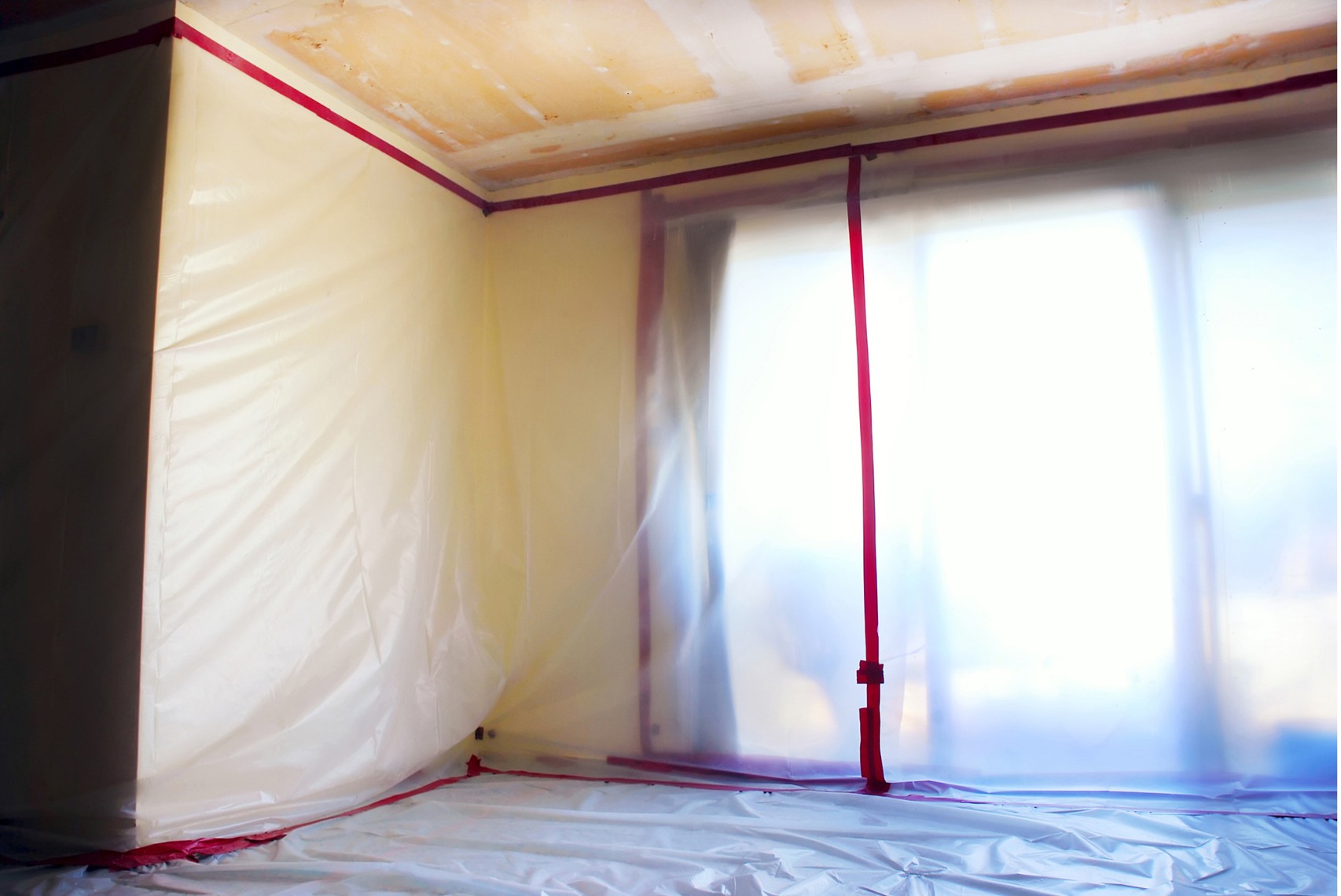
Some properties have conditions that make a conventional sale impossible. Hazardous materials like asbestos, lead, and mold create serious health and safety risks that prevent most buyers — and their lenders — from proceeding.
A Camarillo Trust sale I handled had:
- Asbestos in the popcorn ceilings, flooring tiles, furnace closet, and ducting
- Lead in the walls, drywall, and kitchen countertop tiles
- Mold in multiple locations
A property in this condition is simply too dangerous for casual buyers to walk through. Conventional financing won't touch it. A traditional listing isn't realistic. This is where a cash-only sale to an experienced investor or knowledgeable buyer becomes the right path forward.
What a Cash Sale Actually Involves
A cash sale on a distressed property isn't just finding a buyer with money. Done properly it requires significant preparation to protect the estate and attract serious, competitive offers.
Before going to market on a recent Camarillo trust sale, I prepared a detailed Investor Worksheet — including confirmed abatement bids, termite reports, flooring estimates, deck measurements, ARV calculations, and monthly holding costs. Investors received everything they needed to make a confident, competitive offer before ever stepping foot in the property.
That preparation included:
- Environmental testing — asbestos, lead, and mold testing completed and disclosed upfront
- Remediation estimates — confirmed bids so investors know exactly what removal will cost
- Trust documents — obtained upfront to keep the process moving without delays
- Preliminary title report — ordered early to identify any title issues before they become surprises
- Termite report — essential for full disclosure and investor confidence
- HOA information — including architectural committee paperwork for planned renovations
- ARV calculation — after renovation value so investors can clearly see their upside
- Holding cost breakdown — monthly HOA, taxes, and carrying costs calculated in advance
- Upfront cost estimates — giving investors realistic numbers builds trust and speeds decisions
When everything is prepared in advance a cash sale can close in two weeks or less. That speed protects the estate from carrying costs — mortgage, taxes, insurance, and utilities accumulating while the property sits.
Who Buys These Properties?
Cash buyers for distressed properties are typically:
- Experienced investors who understand remediation costs and timelines
- Knowledgeable owner-buyers capable of managing a full renovation
- Buyers who can proceed without lender approval or inspection contingencies
These buyers expect full disclosure. Transparency about every known condition — asbestos, lead, mold, deferred maintenance — actually builds confidence rather than scaring buyers away. Experienced investors respect honesty and move faster when they have complete information.
What Sets an Experienced Agent Apart
Not every agent takes these steps upfront. Ordering environmental testing, pulling the preliminary title report, securing trust documents, and gathering HOA information before going to market requires experience, knowledge, and initiative. But this preparation does something critical — it removes uncertainty for buyers, which means more competitive offers and a higher final price for the estate.
An informed investor is a confident investor. A confident investor offers more.
This is the difference between accepting the first lowball cash offer that comes in — and running a competitive process that drives the price as high as the market will bear, even on a severely distressed property.
The Cost of Waiting
Families sometimes hesitate on a cash offer hoping a traditional buyer will appear. On a severely distressed property that hope is costly. Every month of carrying costs — mortgage, taxes, insurance, HOA dues, and utilities — plus the ongoing liability of a hazardous property — erodes the estate's value quickly.
And the liability doesn't stop there. A vacant distressed property with known hazardous conditions creates real legal exposure for the estate. Vacant properties also attract squatters — and in California, removing squatters is a lengthy, expensive legal process that can further delay a sale and damage the property even more.
A well-prepared cash sale at the right price often nets the estate more than a prolonged traditional listing ever would — because speed, transparency, and preparation attract competitive offers even on the most challenging properties.
Bottom Line
Not every property can or should be listed traditionally. When hazardous conditions exist, a properly prepared cash sale — with full disclosure, upfront documentation, and experienced guidance — protects the family, the estate, and everyone involved.
Navigating a distressed trust or probate sale in Camarillo, Oxnard, Ventura, or Thousand Oaks? Betty Fernandez, REALTOR®/Broker-Associate, CPRES, has guided many Ventura County families through exactly this process — from environmental testing to a smooth closing in two weeks or less.
Check out this article next